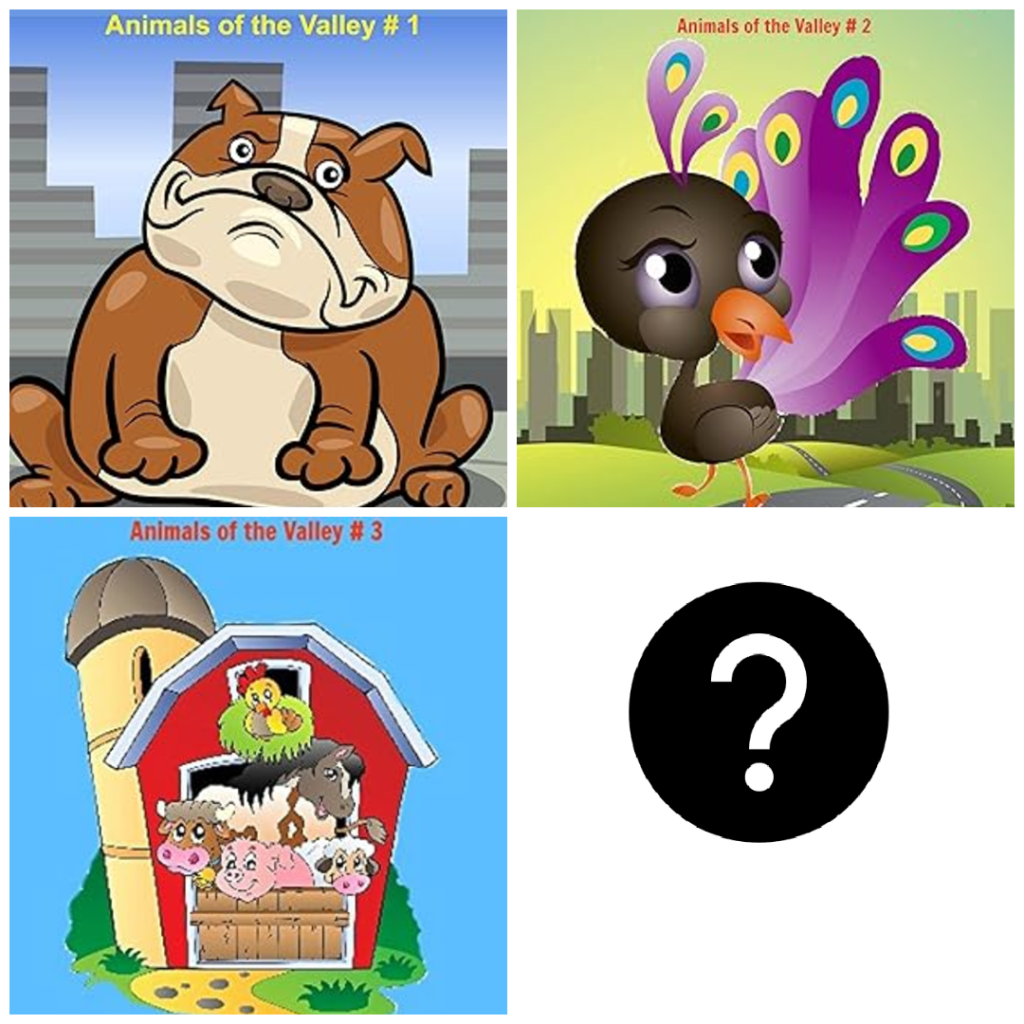
Back in the early 2010s, when home was one of the poorest regions of Wales, when sometimes the only food in the house was dried noodles, and when I generally had no idea where next month’s rent was coming from, I wrote three children’s books.
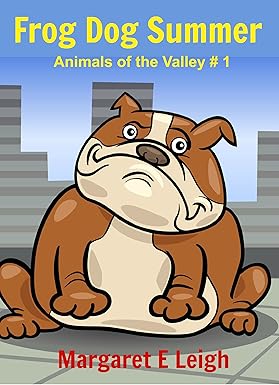
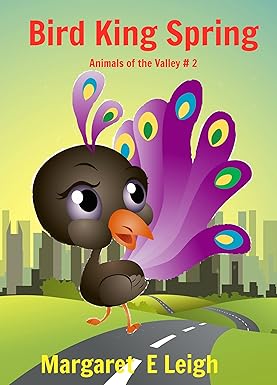
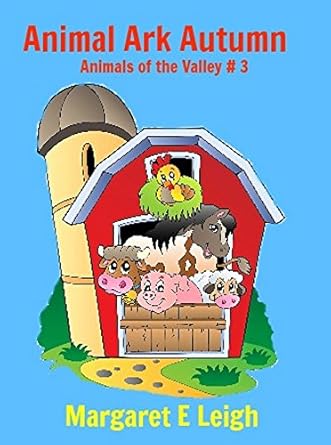
Frog Dog Summer, Bird King Spring, and Animal Ark Autumn were conceived as a series. I was going to call it “The Cynon Quartet,” in honor of the particular valley in which I was living. As matters stand, it is a square with just three sides: the Winter volume is as yet unwritten, and the series title has changed to the less inspiring “Animals of the Valley.”
What happened instead was a personal winter: near death by medical misadventure and half a year spent bedridden. The months that followed those months turned into years, with all my time and energy going into my freelance editing business. I left the valley, and The Cynon Quartet (or Trio, I should call it), slipped quietly back into the obscurity from which it had never properly emerged.
And that is when along came a new and unwelcome enemy: good old Artificial Intelligence. My editing business, which had flourished for years, suddenly peaked, halted, and began to decline. Potential clients and even some existing ones had also discovered AI and were jumping ship to Chat GPT and the like in ever-increasing numbers.
I was not thrilled, I am not thrilled, and I am not alone in this. Internet forums populated by creative folks have become steaming cauldrons of outrage and alarm. I was moved to write a blog about it, Artificial Intelligence and Theology: Five Disturbing Discoveries, in which I conducted various tests on the adequacy of AI for specialist editing such as mine.
The results were mixed. I was deeply alarmed at how effective AI is. But I was also mightily relieved at how ineffective it is. For the bottom line, of course, is that despite appearances to the contrary, AI understands absolutely nothing and so will never fully replace the human editor, writer, illustrator or narrator. But it will nevertheless do enormous damage to the lives and livelihoods of those engaged in these and all manner of other creative occupations.
I came to accept that I need to find a way to survive in this new, hostile environment. A case of “adapt or die,” you might call it, for raging against the machine is not going to pay the rent.
That’s when I discovered “virtual narrator” software that enables writers to turn their ebooks into audiobooks without the need for a human narrator. So, with considerable doubt and a dollop of the sort of self-loathing that accompanies flirting with the enemy, I investigated just what sort of a job an artificial voice would do with Bird King Spring, the second book in my Quartet. (The first, Frog Dog Summer, already has an accompanying audiobook, narrated by a real person.)
To my surprise, the narration didn’t sound bad at all. In fact, I quite liked the neutrality of the voice. And I liked the way the software provided options for altering pronunciation, adding pauses (very important), and speeding things up or slowing them down. I enjoyed having input in the process, in fact.
A second surprise came from working on a book written more than ten years ago which I haven’t touched since. What if I hated it? What if I discovered it was absolute rubbish? But I did not find it so; instead I found myself chuckling at long-forgotten scenes, long forgotten turns of phrase, long forgotten jokes. Memories of the Cynon Valley and of its unique and resilient people came flooding back. Perhaps this little trio of children’s books deserves a second airing, I thought.
And so, two more of the quartet now have audio versions, even if the narrator goes by the robotic name of Female British Voice #5. Now it is a matter of wait and see. If people try them, buy them, and most importantly, if their children like them, I will be inspired to close the circle, or rather the square, by writing that missing “Winter” volume. I may even add audio versions to my various other books. There will be something satisfying about that, despite the irony, despite the fact that it will all be due to a desperate decision to flirt with the enemy.
Perhaps I will be criticized for doing so. Many, many people are understandably enraged and frightened by the threat of this technology to their creative professional lives and livelihoods. As indeed am I.
All three titles are available on Amazon, and also Apple, Barnes and Noble, and various other online retailers.
 Letters from Buenos Aires
Leave a Reply